
JOURNAL
You’ve Been Choosing the Wrong Toy — And You Probably Don’t Even Know It

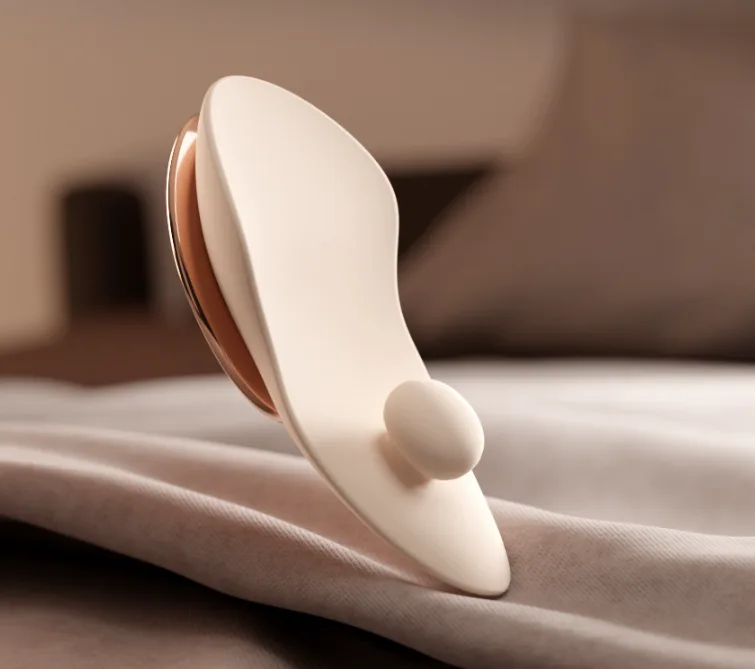
Lifestyle · Pleasure Wellness
You’ve Been Choosing the Wrong Toy — And You Probably Don’t Even Know It
Most people pick based on price. The ones who actually enjoy it pick based on lifestyle. Here’s the difference — and it matters more than you think.
Let’s start with the honest version of how most people end up buying a toy.
They search something vague. They get overwhelmed. They read three product descriptions that all say “powerful,” “discreet,” and “body-safe.” They pick the one with the best photos and a price that doesn’t feel insane. They click buy.
And then — sometimes — it’s great. But more often, it’s slightly off. Not broken. Just not quite right for how they actually live.
That gap between “technically fine” and “actually works for my life” is exactly what this article is about.
Because the real choice between a bullet vibrator and a wearable toy isn’t about which one is objectively better. It’s about which one fits your body, your living situation, your comfort level, and yes — your relationship with privacy.
Those are deeply personal things. And the internet doesn’t talk about them enough.
First: Why These Two Get Compared So Often
On paper, bullet vibrators and wearable toys seem to serve totally different purposes. One is handheld. One you wear. Simple distinction, right?
But in real browsing behavior, people land on both categories at the same time — usually because they’re looking for something small, relatively discreet, and not intimidating. Both tick those boxes on the surface.
That surface similarity is where the confusion starts. And it’s also why people end up buying the wrong thing — not because they made a bad decision, but because nobody gave them a real framework for choosing.
So here’s the framework.
Bullet Vibrators: The Case for Simple
A bullet vibrator is, at its core, a direct tool. Small cylinder, motor inside, one job. You hold it, you use it, you put it away. There’s no configuration phase, no wondering if it’s positioned correctly, no app to connect.
That directness is genuinely underrated.
For people who are new to sex toys — or who’ve had bad experiences with overcomplicated ones — the low friction of a bullet vibrator is almost therapeutic. You’re not fighting the product. You’re just using it.
They’re also incredibly portable. Most bullets fit in a small pouch, a makeup bag, a jacket pocket. Travel with them is easy. Storage is easy. If you share a home and care about discretion, a small cylindrical object is much less conspicuous than something with wings, straps, or a custom-molded shape.
Budget is another real factor. Bullets are almost always more affordable than wearable options at the same quality tier. If you’re not sure whether you’ll use a toy regularly, starting with a bullet is just practical.
The limitation? They require active participation, always. Both hands, or at least one, are occupied. Some people find that grounding and prefer it. Others — especially after using one for a while — start to wonder what a more hands-free experience might feel like.
That curiosity is usually what brings wearables into the conversation.
“I didn’t think I needed something wearable until I realized I’d been holding my breath the whole time — literally — trying to keep everything in the right place.”
Wearable Toys: The Case for Invisible Convenience
Here’s what the marketing copy on wearable toys almost never tells you: the reason most people buy them isn’t about being daring or adventurous. It’s much more mundane than that.
It’s about not wanting to hold something.
That sounds almost embarrassingly simple. But when you factor in daily life — busy schedules, shared living spaces, the general chaos of being a real human — “not having to hold it” is actually a meaningful upgrade.
Wearable vibrators are designed to stay in place on their own, usually through body-conforming shapes, magnetic clips, or ergonomic curves that wedge gently against the body. When they work, they disappear — physically and sonically. You wear them. You move on with whatever else you’re doing. They just exist.
For partnered use, especially with long-distance couples or people who enjoy giving up control, the dynamic wearables create is unlike anything a handheld toy can replicate. Handing your phone to someone across the room — or across the country — and letting them adjust your experience in real time is a completely different category of intimacy.
But here’s the honest part nobody says loudly enough:
Wearables are much more dependent on fit. And fit is personal.
A bullet vibrator will work for essentially anyone who picks it up. A wearable toy can have ten thousand glowing reviews and still feel completely wrong for your specific body shape, anatomy, or preference for pressure.
This isn’t a flaw in the product — it’s just the nature of wearables. The upside is that when the fit is right, the experience is in a completely different league from anything handheld.
The Noise Conversation Nobody Wants to Start
Let’s just say it plainly.
Noise is a deciding factor for a lot of people — especially anyone living in apartments, dorms, shared housing, or homes where privacy is limited. The embarrassment of this concern makes people not ask about it. So they buy something, hope for the best, and sometimes get a very loud surprise.
Here’s the real answer: neither category automatically wins on noise. Some bullet vibrators are remarkably quiet. Some wearable toys are not. The difference comes down to motor quality and housing design, not category.
That said, wearable toys can feel acoustically quieter in practice — not because the motor is necessarily quieter, but because the vibration is more contained. When something is pressed against your body, the vibration transmits inward rather than outward. The air around it hears less of it.
The practical takeaway: never trust the phrase “whisper quiet” on a product page. That phrase means nothing and appears on products across every noise level. What you should trust is this: find reviews — real ones, recent ones — where people specifically mention sound. They’re out there, and people are refreshingly blunt about it.
If noise is a genuine concern for your living situation, prioritize that filter above almost everything else.
What About App Control — Is It Actually Worth It?
App connectivity is one of those features that sounds like a gimmick until you understand who it’s actually designed for.
For solo use, an app adds customization that physical buttons can’t match — you can build your own vibration patterns, save favorites, adjust intensity in ways that would require dozens of preset modes otherwise. Whether that matters depends on how much you like tinkering.
For couples — especially long-distance — app control transforms the product into something qualitatively different. It becomes a communication tool. The ability to hand control to a partner in another city, another time zone, another country, and have them influence your physical experience in real time is genuinely novel. For the right relationship dynamic, it changes things meaningfully.
The thing to watch for: app quality varies wildly between brands. Some apps are smooth, stable, intuitive. Others are clunky, have Bluetooth connectivity issues, or require re-pairing constantly. Look for reviews that specifically mention app experience — not just the physical product.
A great toy with a bad app is a frustrating toy.
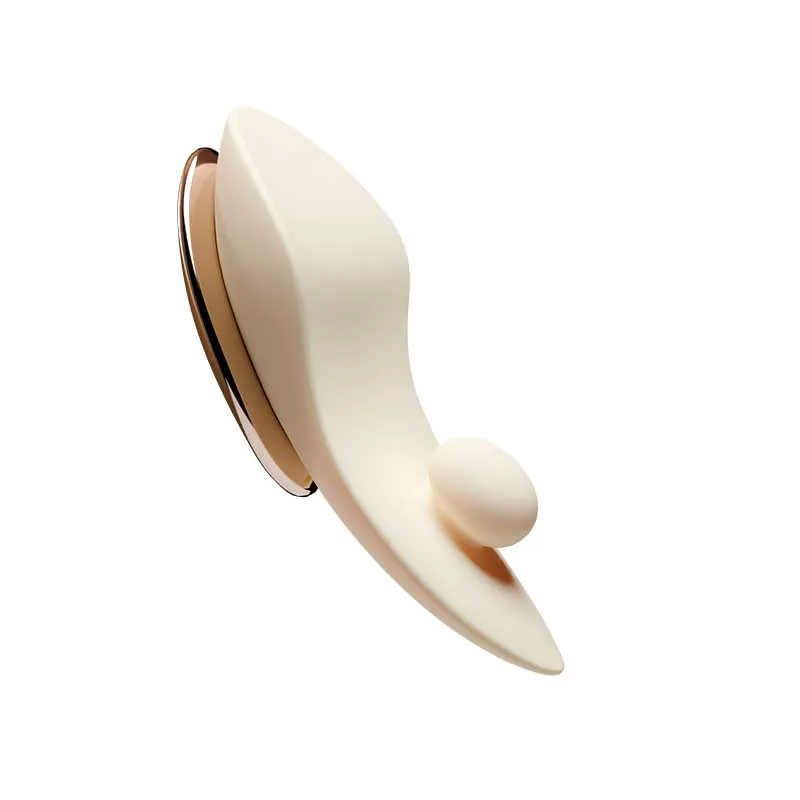
Featured pick
GALAKU Winnie — Wearable Vibrating Egg
If you’ve read this far and you’re leaning toward the wearable side, the Winnie is one of the cleaner options available right now. Magnetic clip for secure fit. App-controlled via Love Spouse for solo or partnered use. 10 built-in modes plus unlimited custom patterns. Medical-grade silicone — smooth, skin-safe, not the rubbery texture that cheaper options have.
It’s designed for wear under clothing, so the form factor is genuinely slim. Whether the fit works for your body specifically — only you can know that. But the fundamentals are right.
How to Actually Decide
Forget “which one is better.” That question doesn’t have an answer. Ask these instead:
Do I want something with zero friction?
If you want to pick it up and use it without thinking about positioning, fit, or connectivity — bullet. Every time.
Does noise genuinely matter to my living situation?
If yes, research specific products — not categories. Check reviews. Noise varies by brand, not by type.
Am I in a long-distance relationship, or curious about giving up control?
Wearable with app control changes this dynamic entirely. It’s worth the extra step to get right.
Do I want to wear it under clothing?
That’s the wearable’s core use case. If that idea appeals to you — even a little — it’s worth exploring. Just check fit-related reviews carefully.
Is budget a real constraint right now?
Bullets are almost always cheaper at the same quality level. There’s no shame in starting there. A good bullet is better than a mediocre wearable.
One Last Thing
The toys that get the most use aren’t usually the most impressive ones. They’re the ones that quietly slot into your life without demanding anything complicated from you.
For some people, that’s a bullet they’ve had for two years. For others, it’s a wearable they forget they’re wearing until it reminds them.
The right answer is whatever you’ll actually reach for — not whatever sounds the most sophisticated in a description.
Buy for your real life. Not for the version of it you imagine having.