
JOURNAL
Your Body Is the Remote Control Now

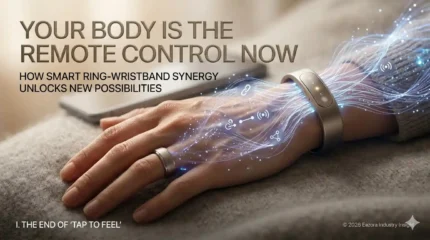
How wearable app integration is quietly rewriting the rules of intimacy tech in 2026
Bio-Feedback
Long-distance Interaction
Wearable App Control
There’s a moment that product designers in the SexTech industry have been chasing for years: the moment a user forgets they’re using an app at all. In 2026, that moment is finally within reach.
I · Biometric Feedback
The End of “Tap to Feel”
For most of the category’s history, app-controlled wearables worked on a blunt premise: you press a button, something happens. It was functional. It was also a little clinical — like controlling your feelings with a TV remote.
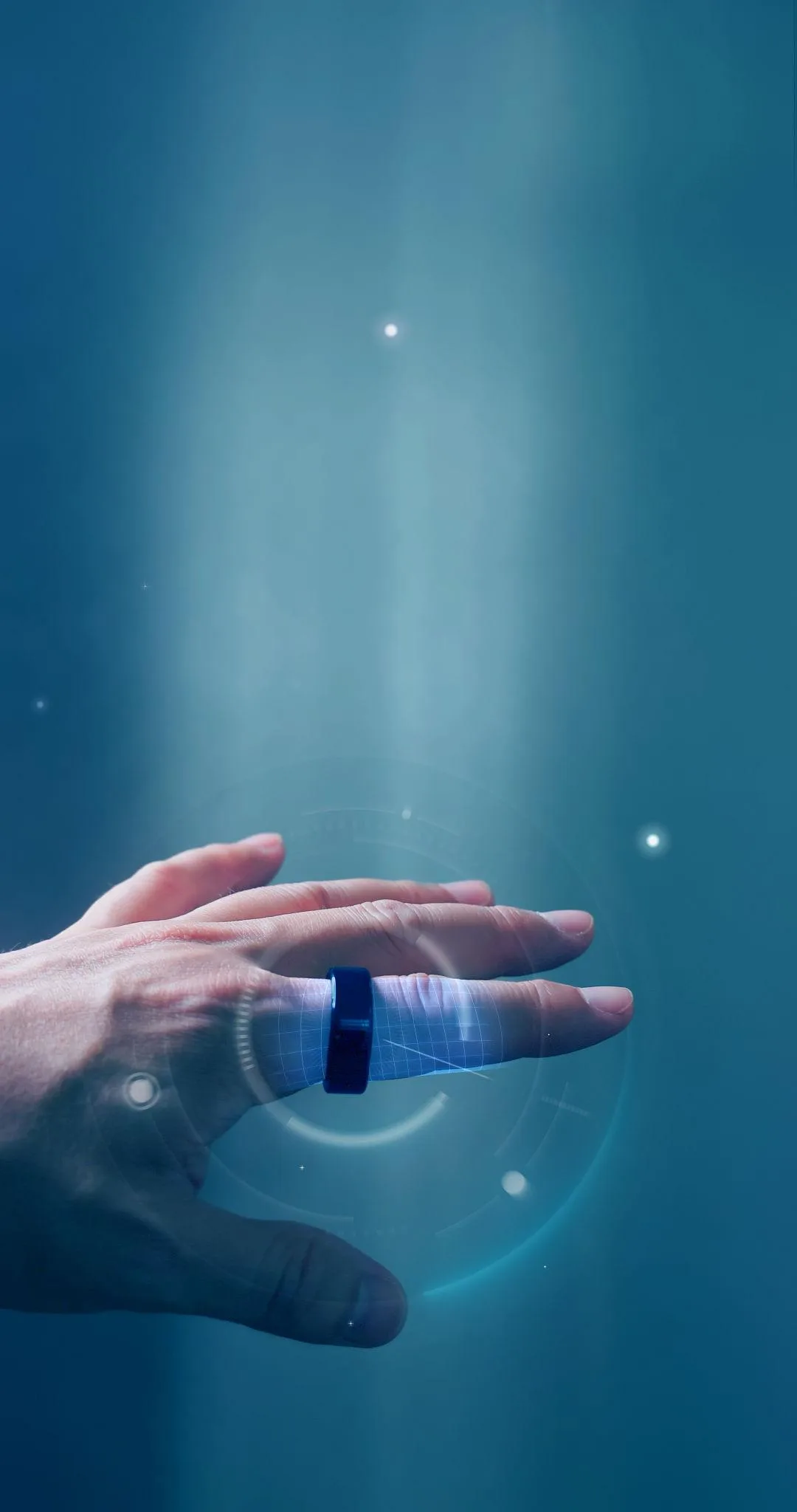
That paradigm is breaking down fast. Sensors embedded in next-gen devices now read Heart Rate Variability (HRV), skin temperature, and localized EMG signals in real time. The app doesn’t wait for your input anymore. It watches your body, reads the curve of your arousal, and adjusts — vibration frequency, pressure intensity, rhythm — before you’ve consciously registered what you want.
It sounds almost uncanny. But users who’ve tried it describe the experience differently: seamless. The friction of fumbling with a phone disappears. The technology recedes. What’s left feels less like a gadget and more like a presence.
“The essence of interaction is not control — it’s resonance. The device shouldn’t be an executor. It should be a companion.”
Eazora Product Philosophy, 2026
II · Haptic Mirroring
Long-Distance, Reloaded
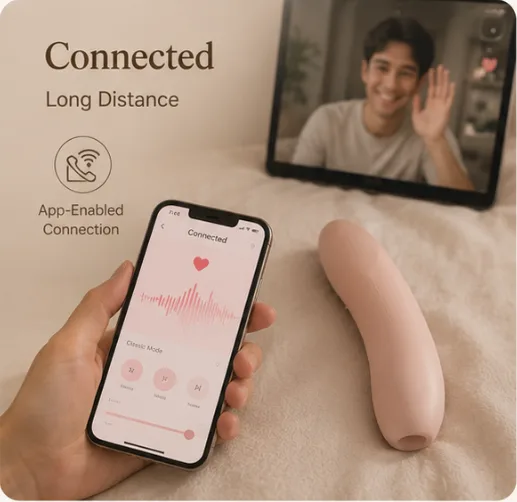
If biofeedback is the story of solo experience, haptic mirroring is the story of connection — and it’s quietly becoming the most talked-about development in the long-distance couples’ market.
Instead of one partner tapping a slider on a screen, they wear a sensing device — a smart ring, typically — and move naturally. The pressure of their fingertips, the rhythm of their gestures, gets captured, encrypted, and transmitted over the cloud in real time. On the other end, a wearable translates those signals back into physical sensation.
The latency that killed earlier versions of this concept is now low enough to feel live. What this creates isn’t just remote control — it’s something closer to shared sensation across distance. For a market that reliably drives higher order values than most other segments, this is the upgrade that justifies a new purchase cycle.
III · Gamification
The App Is Now a Game. Also a Social Platform.
Something interesting has been happening on social media over the past 18 months: people are talking about app features the way they used to talk about hardware specs. Specifically: task modes, heart rate challenges, and shared randomized control — mechanics borrowed wholesale from gaming.
Brands that figured this out early are building gamified intimacy platforms with story-driven levels, partner challenges, and opt-in leaderboards. Usage scenarios have expanded well beyond the bedroom — which, from a retention and engagement standpoint, is exactly where you want them.
IV · Privacy & Security
Privacy Isn’t a Feature. It’s the Foundation.
The faster this category grows, the louder the conversation around data security gets. In 2026, users aren’t just asking about privacy as an afterthought — they’re making purchase decisions based on it.
Leading brands now use End-to-End Encryption (E2EE) and local signal processing, meaning commands never touch a server — they’re encrypted within the Bluetooth link itself. In a category where trust is everything, a clear privacy architecture isn’t just reassuring. It’s a meaningful differentiator.

V · Looking Ahead
Hardware Was Just the Beginning
The wearable isn’t the product anymore. The experience is the product — and the app is how that experience is designed, delivered, and deepened over time. The brands building toward that future are investing in interaction design, latency engineering, and biometric integration as seriously as they ever invested in motors and materials.
The cold hardware is still there. But the warmth — the sense that the technology actually understands you — that’s what’s being competed for now. And it turns out that’s a much more interesting race.